Nowadays, as ecological awareness becomes increasingly important, businesses from various sectors are looking for ways to reduce their environmental impact. One area that requires attention is packaging, specifically cardboard boxes. In this article, we will focus on cardboard boxes and their ecological aspects, presenting their environmental benefits and the principles of sustainable cardboard production.
The essence of cardboard
Cardboard is a widely used packaging material due to its numerous advantages. It is made from cellulose fibers obtained from trees, especially from renewable sources like tree plantations. Cardboard is lightweight yet durable, making it an ideal choice for packaging and transporting various goods.
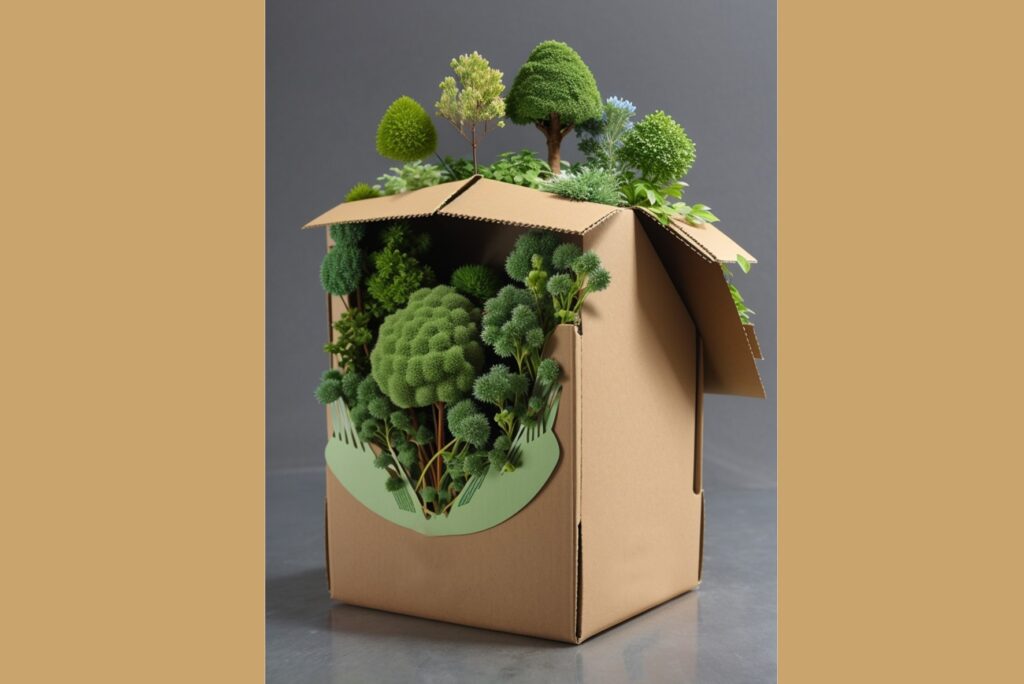
Cardboard and Ecology
Processability
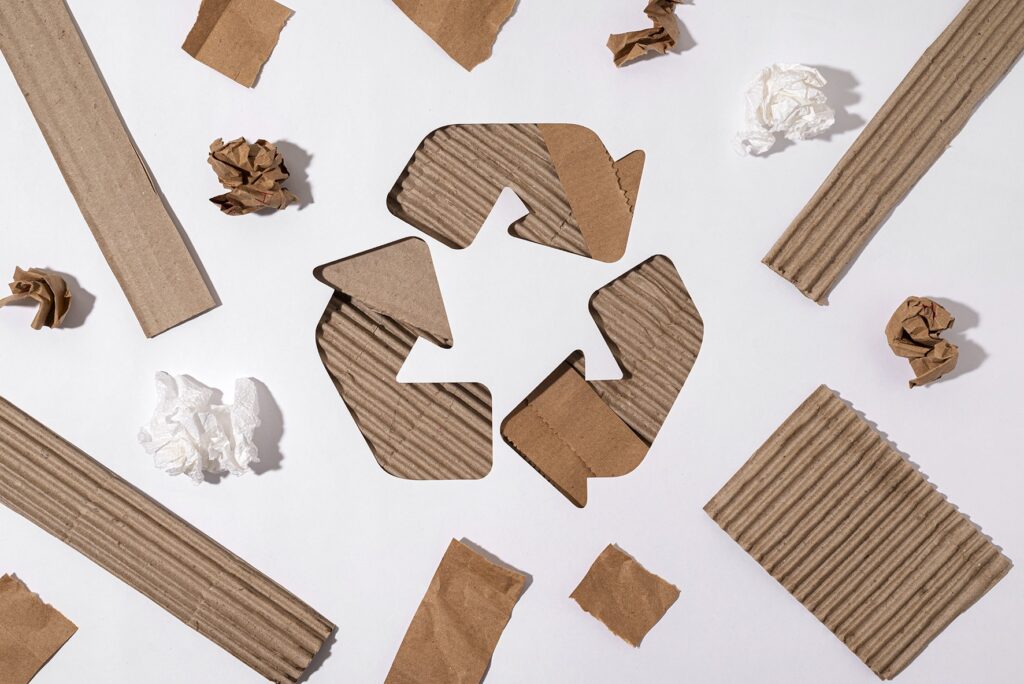
Cardboard boxes are fully recyclable. This means that used cardboard can be processed and used to produce new packaging or other paper products. Recycling cardboard helps reduce deforestation and saves natural resources.
Low CO2 emissions
The production process of cardboard, compared to other packaging materials like plastics or metal, is less energy-intensive and generates lower amounts of carbon dioxide (CO2). Therefore, choosing cardboard as a packaging material contributes to reducing greenhouse gas emissions and combating climate change.
Biodegradability
If cardboard is not recycled, it naturally decomposes in nature. This means it does not create a long-term burden on the environment, unlike some packaging materials that can remain in nature for hundreds of years.
Sustainable cardboard production
Cardboard production can be sustainable when environmental and social factors are taken into account. Here are some principles that contribute to a sustainable approach to cardboard production:
Responsible forest management
Cardboard production is based on raw materials derived from trees, which is why it's important to use renewable wood sources and practice responsible forest management. Proper forest management ensures sustainable cardboard production.
Saving water and energy
Cardboard manufacturers should strive to minimize water and energy consumption in their production processes. Implementing efficient technologies and procedures can contribute to a significant reduction in the use of natural resources.
Promoting recycling
Companies that produce cardboard can encourage consumers to recycle by placing appropriate labels on packaging, participating in recycling programs, and educating consumers about the benefits of recycling cardboard.
Summary
Cardboard is an environmentally friendly packaging choice, offering numerous benefits for the environment. Its recyclability, low CO2 emissions, and biodegradability make it a sustainable solution for businesses aiming to reduce their ecological footprint. Implementing sustainable cardboard production principles, such as responsible forest management and resource conservation, is crucial for the long-term protection of our planet. We encourage you to choose cardboard as an eco-friendly packaging option that helps protect our environment for future generations.